
Donation Guide
Learn best practices for donating to a micropantry or community fridge and use the item look-up feature to learn more about specific food items.
Start here:
Overview
Most micro-pantries and community fridges welcome donations from community members. Many types of foods can be donated, including certain items found in your pantry and refrigerator, produce grown in your garden, and foods purchased at the store. However, it is important to follow safe food handling practices to ensure micro-pantries and community fridges offer safe food for all. The guidelines below are intended to be used by donors to determine which foods to donate and how donated foods should be labeled, transported, and stored.
It is important to note that the following food safety guidance is just that – guidance. When in doubt, consider whether you would feed the food item to members of your own family. Sometimes, composting the food is the safest option. Your local micro-pantry or community fridge may also provide their own donation guidelines to ensure food safety at their sites. Please follow any site-specific policies when donating.
What can I donate?
Store-bought food in its original packaging

Store-bought foods should be unopened and donated in their original packaging. This protects people with allergies and prevents contamination.
Repackaged/homemade items

Clearly mark homemade items with ingredients and the date prepared. Clearly mark repackaged items (non-perishable, dry pantry staples) with the ingredients. This helps people with allergies or dietary restrictions make safe choices.
Verify your donation using the item look-up tool

Use the item look-up tool to make sure that the food you want to donate is acceptable. Remember to follow site-specific donation guidance!
Item Look-Up
Use the item look-up tool below to make sure that the food you want to donate is acceptable. Your local micro-pantry or community fridge may also provide their own donation guidelines to ensure food safety at their sites. Please follow any site-specific policies when donating.
Search by item
Search for an item to see whether it is generally suitable for donation.
Browse by category
Click a category card below to see examples, considerations, and storage requirements.
Yes - Donate!
Check with Site
Avoid - High Risk
How should I donate?
Micropantry
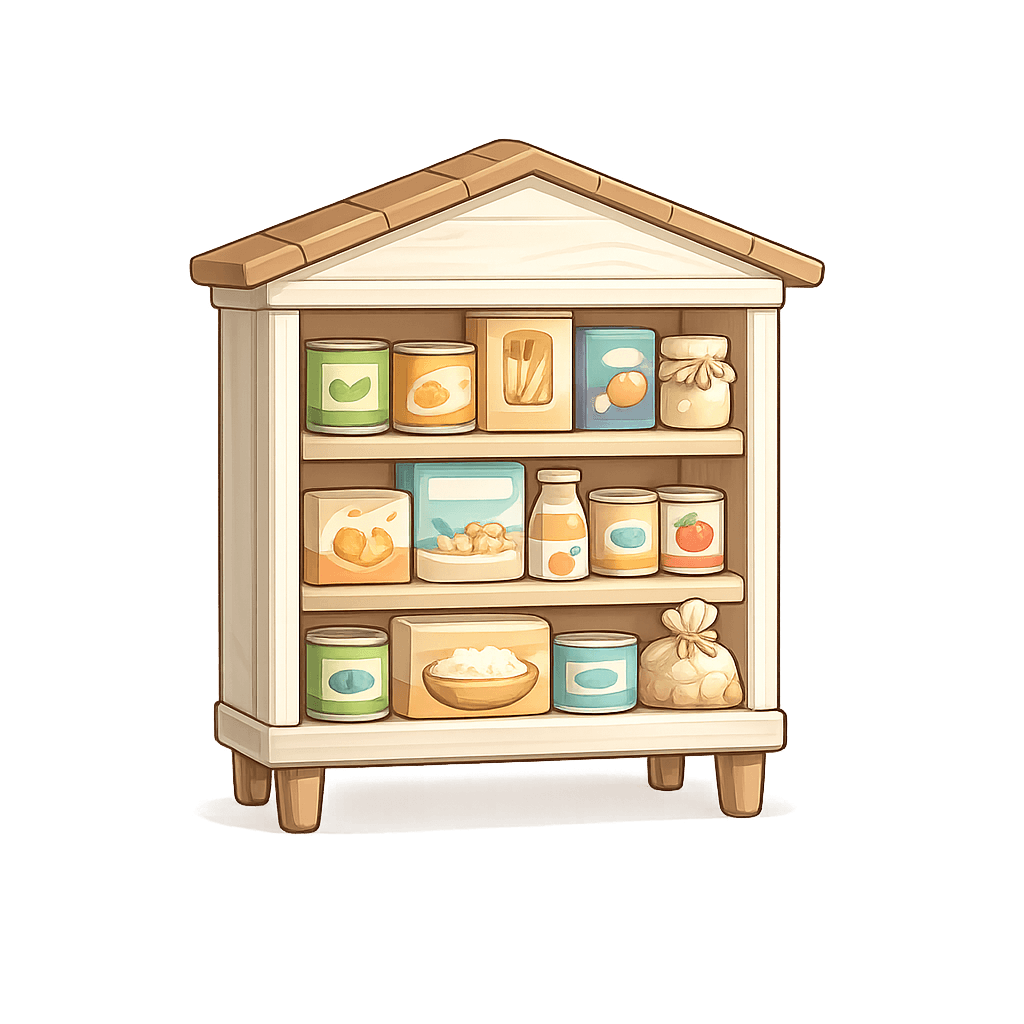
Donate Shelf-stable food only.
More information
For Micro-pantries: Donate items that do not spoil in heat or cold, such as canned goods, boxed meals, peanut butter, rice, and pasta. Micro-pantries are not temperature-controlled, so avoiding perishables keeps everyone safe. Help keep the pantry dry and pest-free by making sure the door is closed when you leave.
Commonly Accepted Foods Include:
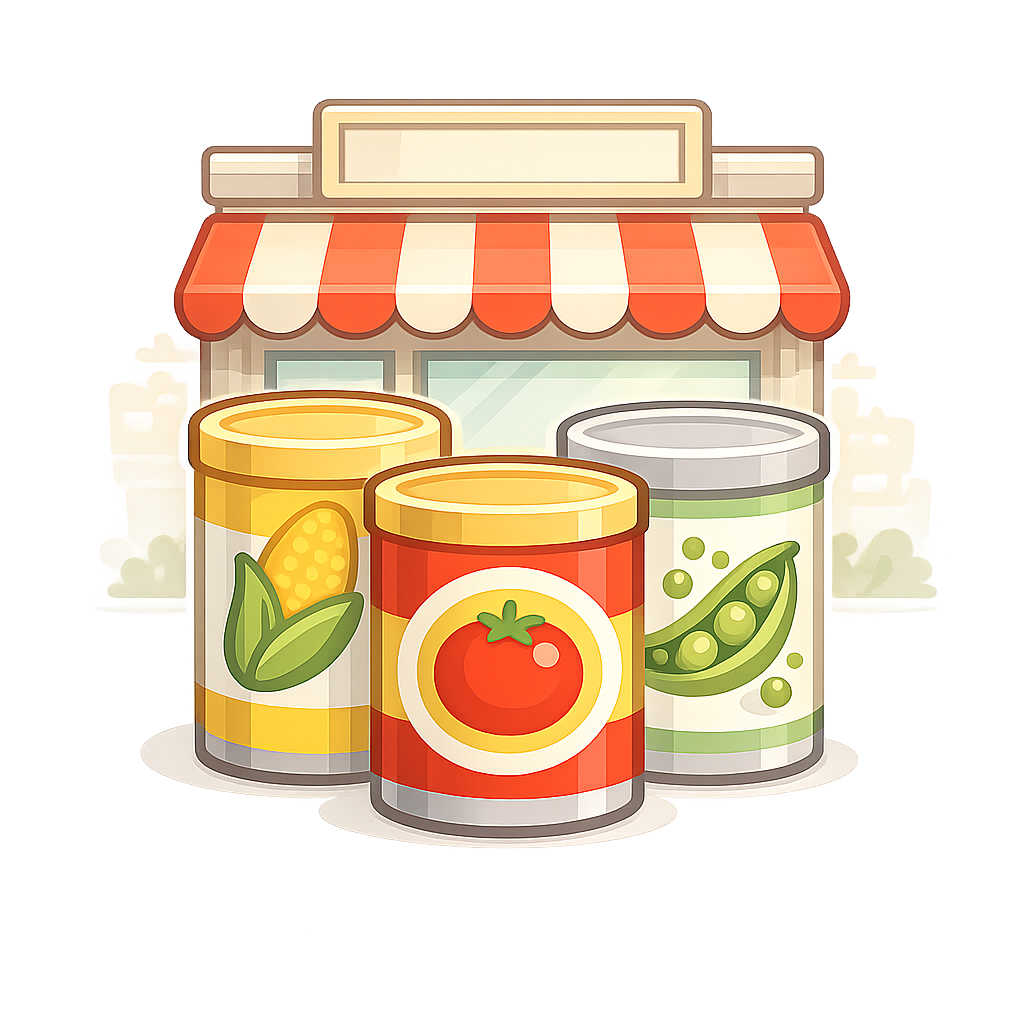
Store-bought canned goods (with an intact label) in good condition. Punctured, bulging, or seriously damaged cans or packaging should not be donated.

Whole/raw produce from the store or grown in your garden.

Homemade baked goods that do not need refrigeration, such as cookies, cakes, pies, and breads, are welcome, but should be individually packaged and labeled.
Community Refrigerator
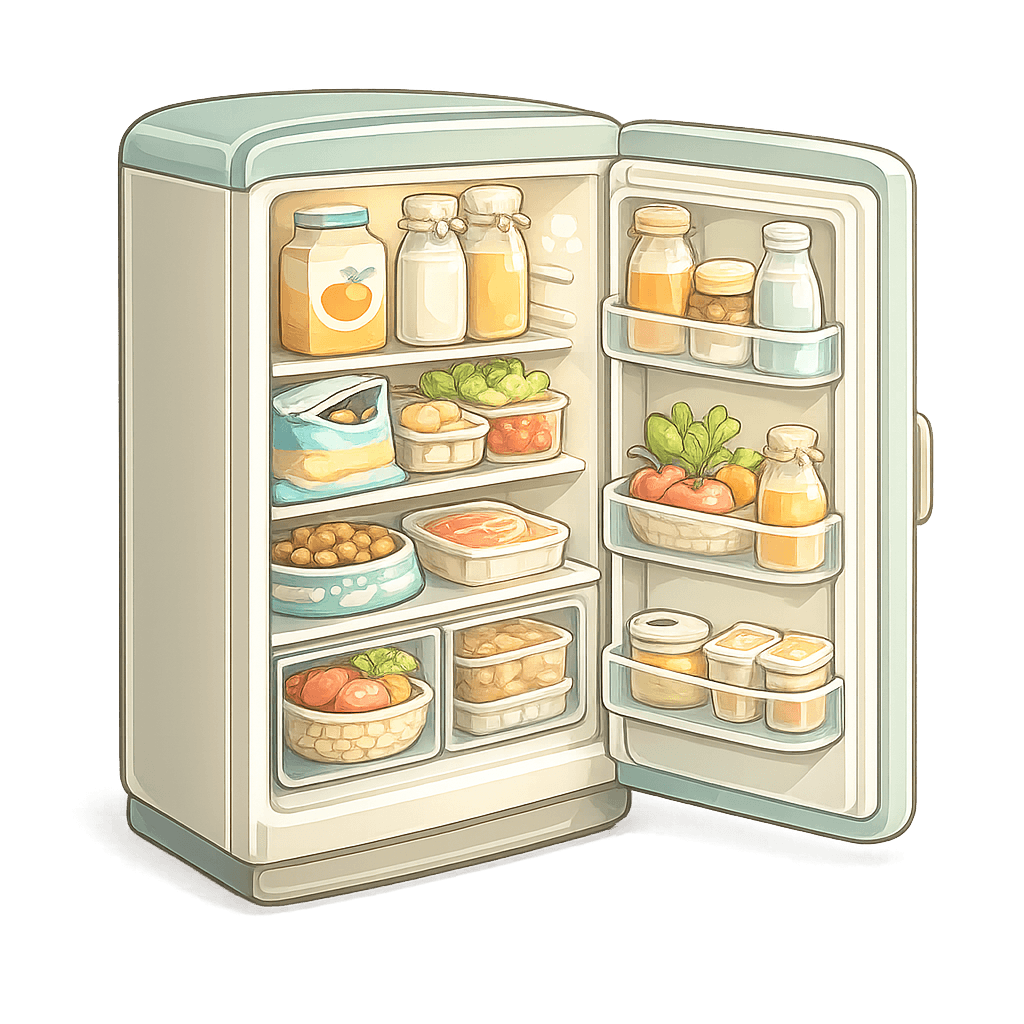
Donate refrigerated items at 41°F (5°C) or below.
More information
For Community Fridges: Donated foods that require temperature control must remain at 41°F or below. When transporting food to the fridge, use an insulated cooler, insulated blanket, or frozen ice packs to keep food cold. Be sure to check that the fridge is operating before donating and ensure the door closes properly.
Commonly Accepted Foods Include:
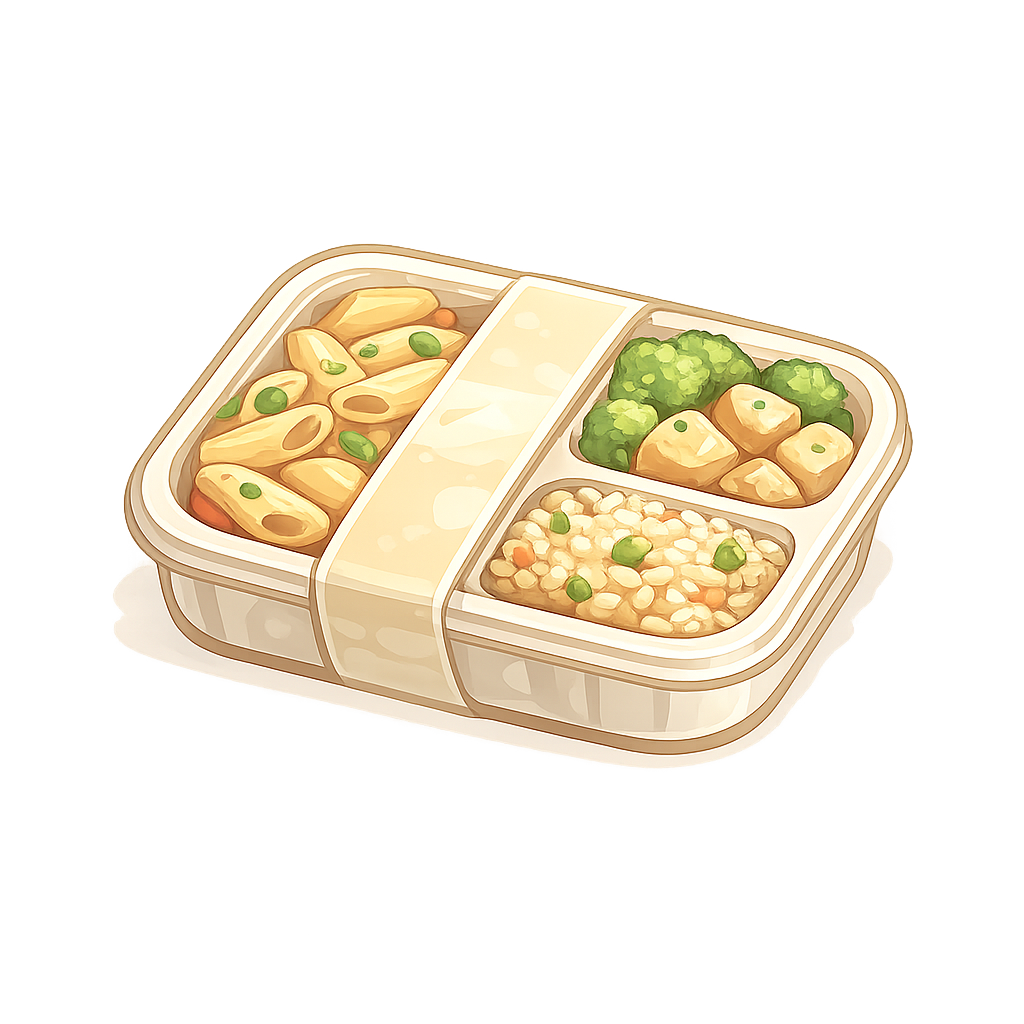
Ready-to-eat meals from restaurants, grocery stores, or donor kitchens are acceptable if properly handled, stored, and kept at safe temperatures.
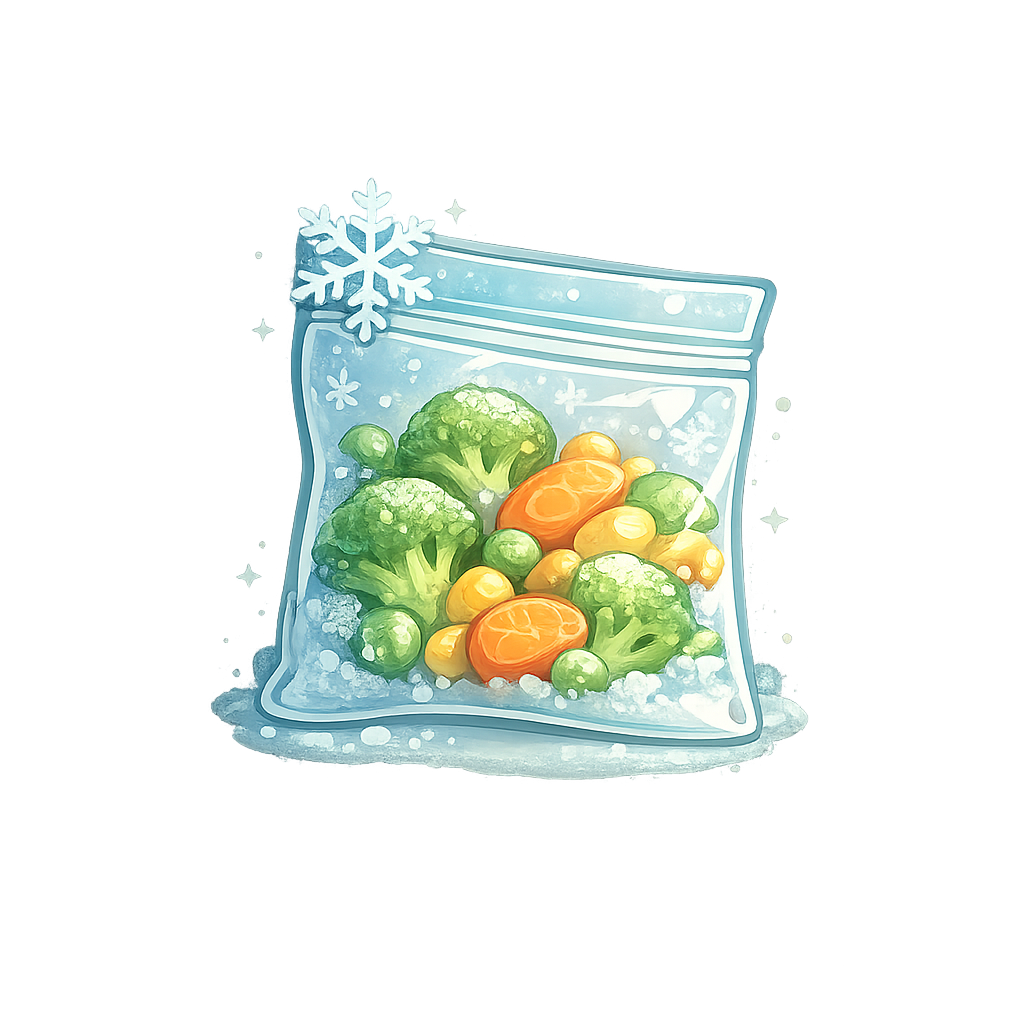
Frozen produce or commercially packaged frozen foods are typically allowed if they remain frozen during transport.
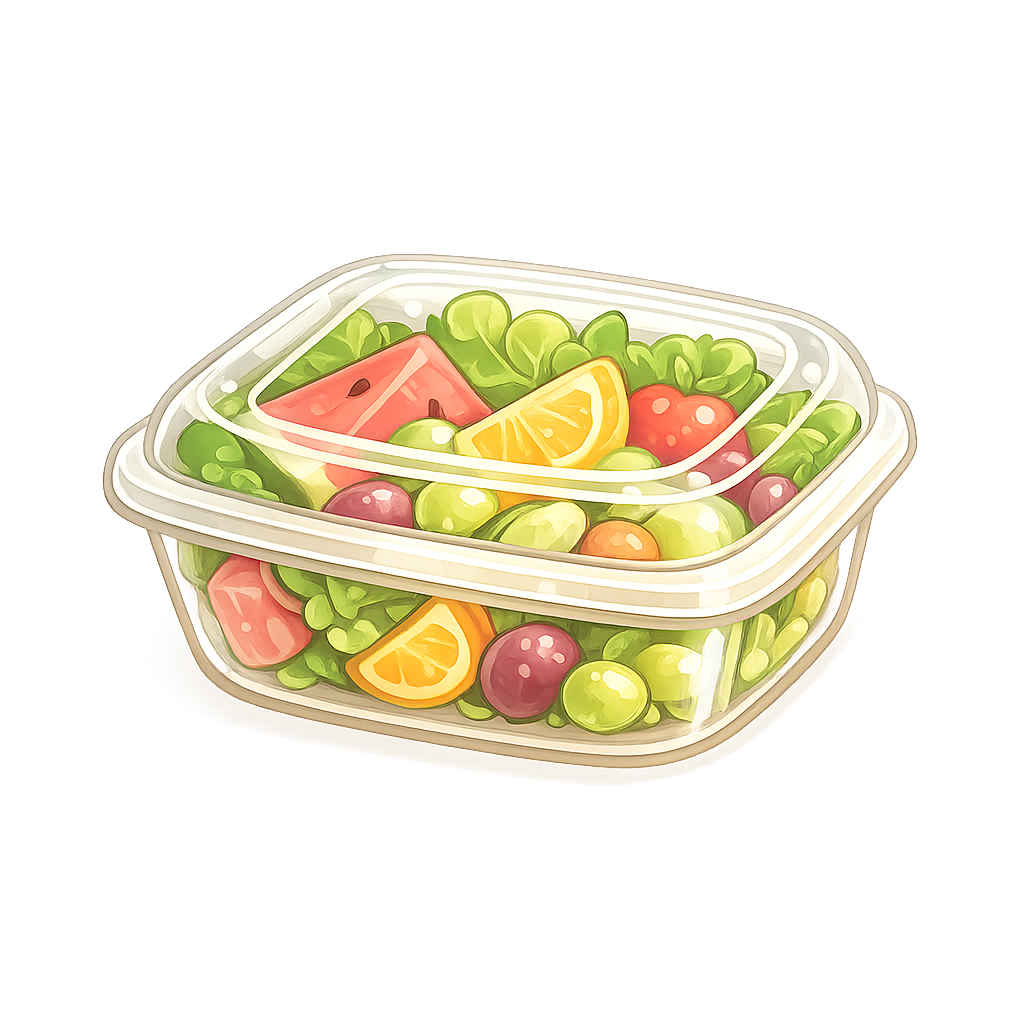
Ready-to-eat produce, such as salad mixes or cut fruit trays, purchased from the store can be donated if unopened, maintained at proper temperatures, and donated in their original packaging.
FAQ
Resources
Official guidelines and reference documents used in this guide (opens in a new tab).
- Washington Department of Health — Charity Food Donations
State guidance on safe food donation practices and compliance.
- USDA FSIS — Food Product Dating
Federal guidance on best-by, sell-by, and use-by dates.
- Bill Emerson Good Samaritan Food Donation Act
Federal law text on liability protections for food donations.
- Free Fridge / Community Fridge Q&A
Common questions and answers about community fridge operations.
- Donor Guidelines for Freedge
Donor-facing guidelines for safe items and handling.
- Freedge Manual
Operational guidance for running and maintaining a freedge.
- NCR FSMA — Free Fridge / LFSC Updated Guidance
Updated safety guidance for free fridges and LFSC sites.
- WA DOH Publication 333-241
State handout on safe food handling and donation practices.
- WA DOH Publication 333-248
State handout on safe food storage and temperature guidance.
- WA DOH Publication 333-257
State handout on labeling, allergens, and donation safety tips.